Applied AI / Frontend
- 2026
- DeepLabV3+ · API · UI
- Five-person research
- Non-diagnostic prototype
A research interface built around DeepLabV3+.
MIRO began as a five-person master's research project. The work shown here combines the DeepLabV3+ binary and multiclass branch, FastAPI service, Next.js interface, and deployment I built. Teammates developed the additional models and broader academic pipeline.
MIRO product tour
One traceable path from experiment to review interface.
This map covers the DeepLabV3+ branch I implemented: experiments, inference, frontend, and deployment.
DeepLabV3+ experiments
Standalone FastAPI inference
Server-side Next.js proxy
Interactive review workspace
A clear start to the research flow.
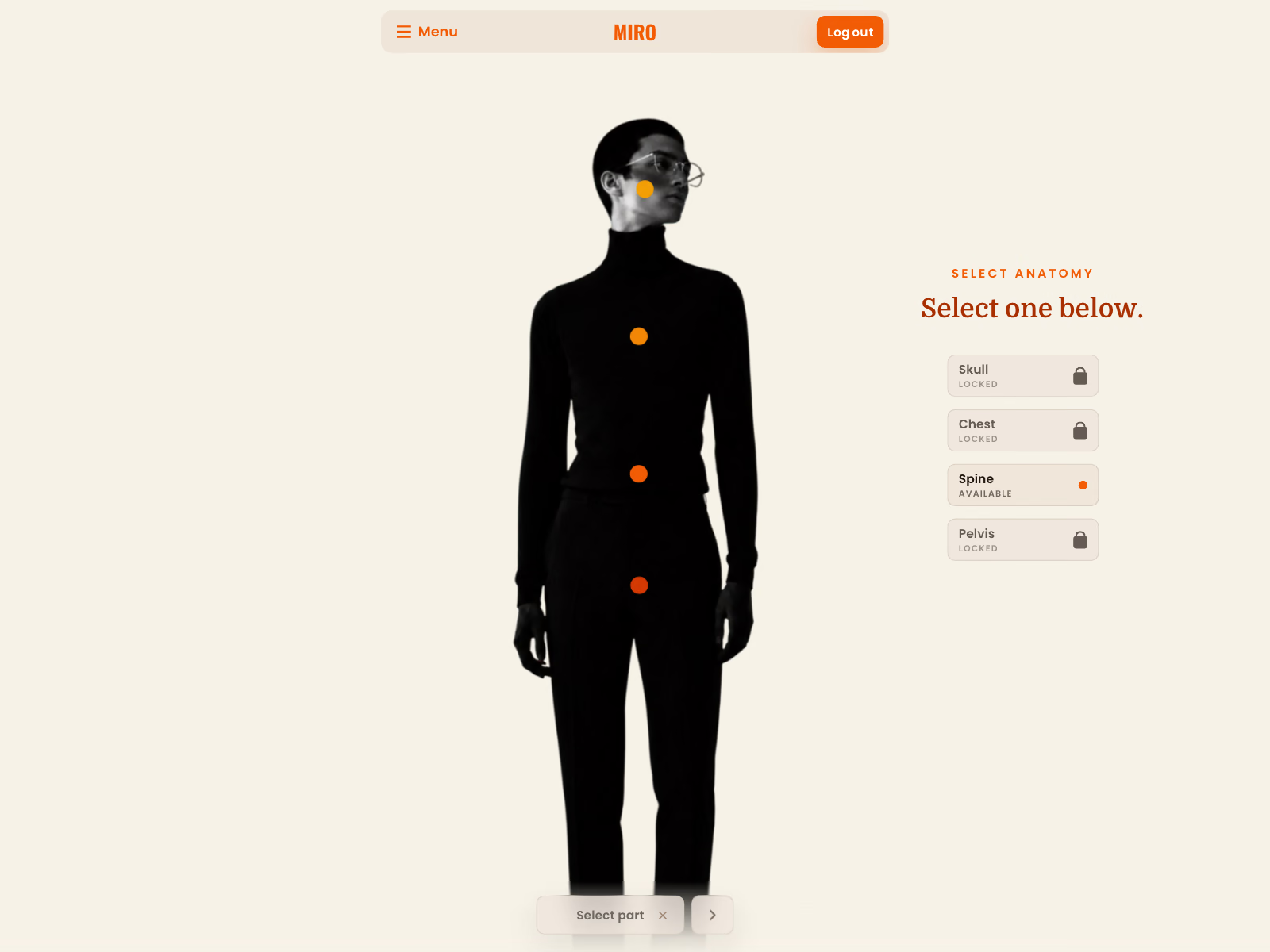
Anatomy selection and input preparation establish what the prototype can do before an image reaches inference.
- Anatomy and input selection
- Non-diagnostic context before inference
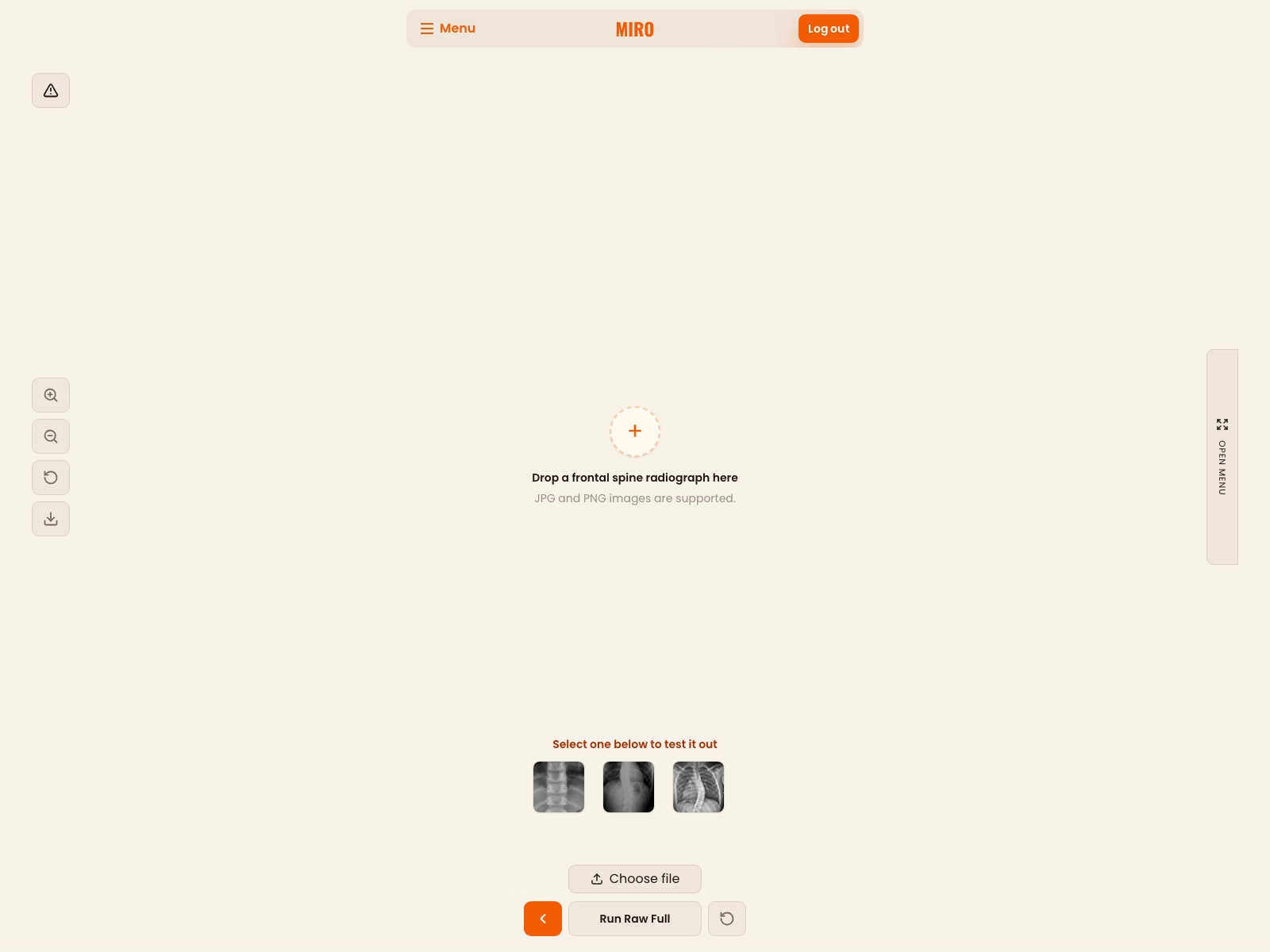
A neutral workspace before inference.
The interface isolates input preparation from model output, keeping the next available action clear without implying a result.
From inference output to useful comparisons.
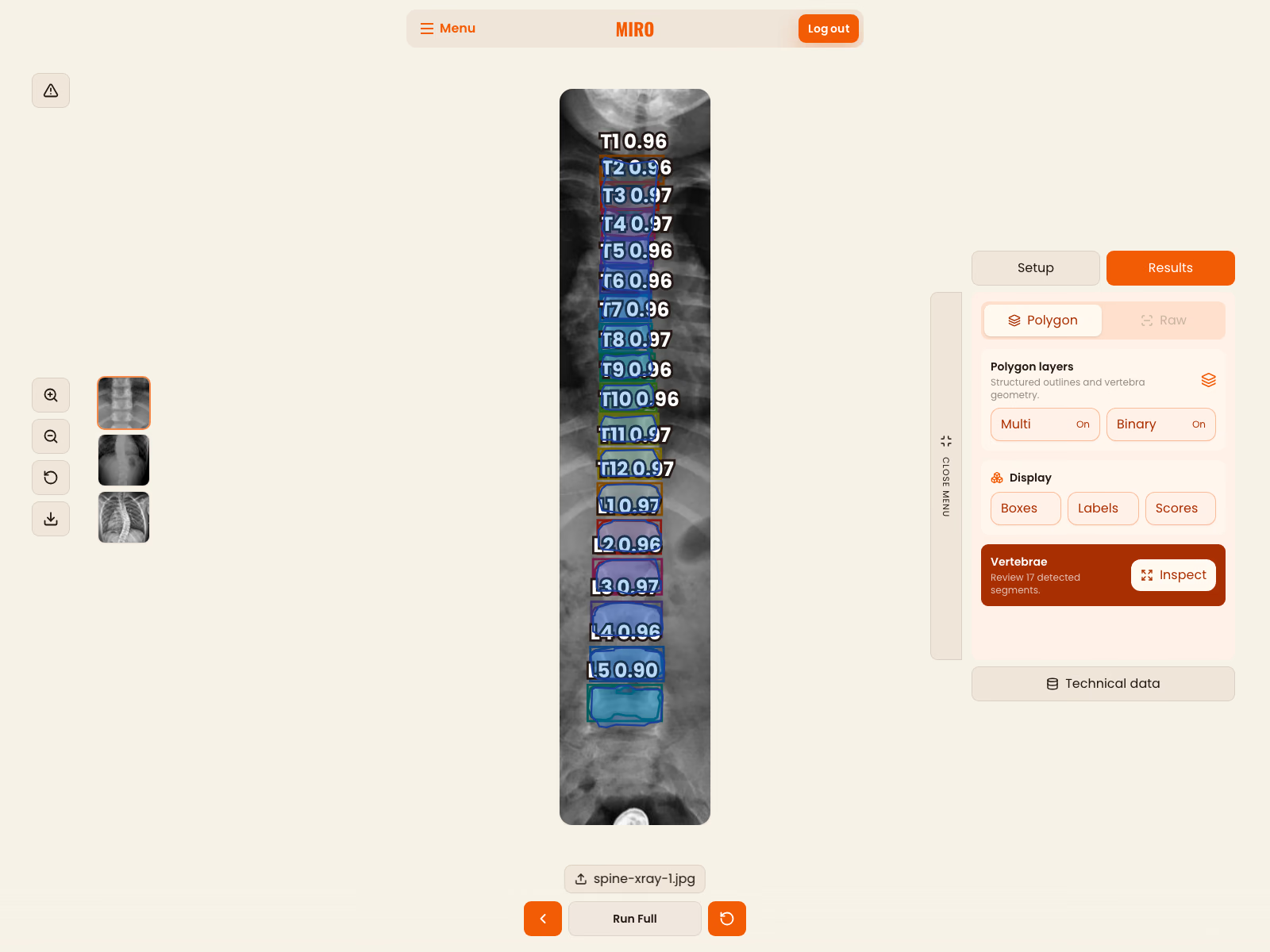
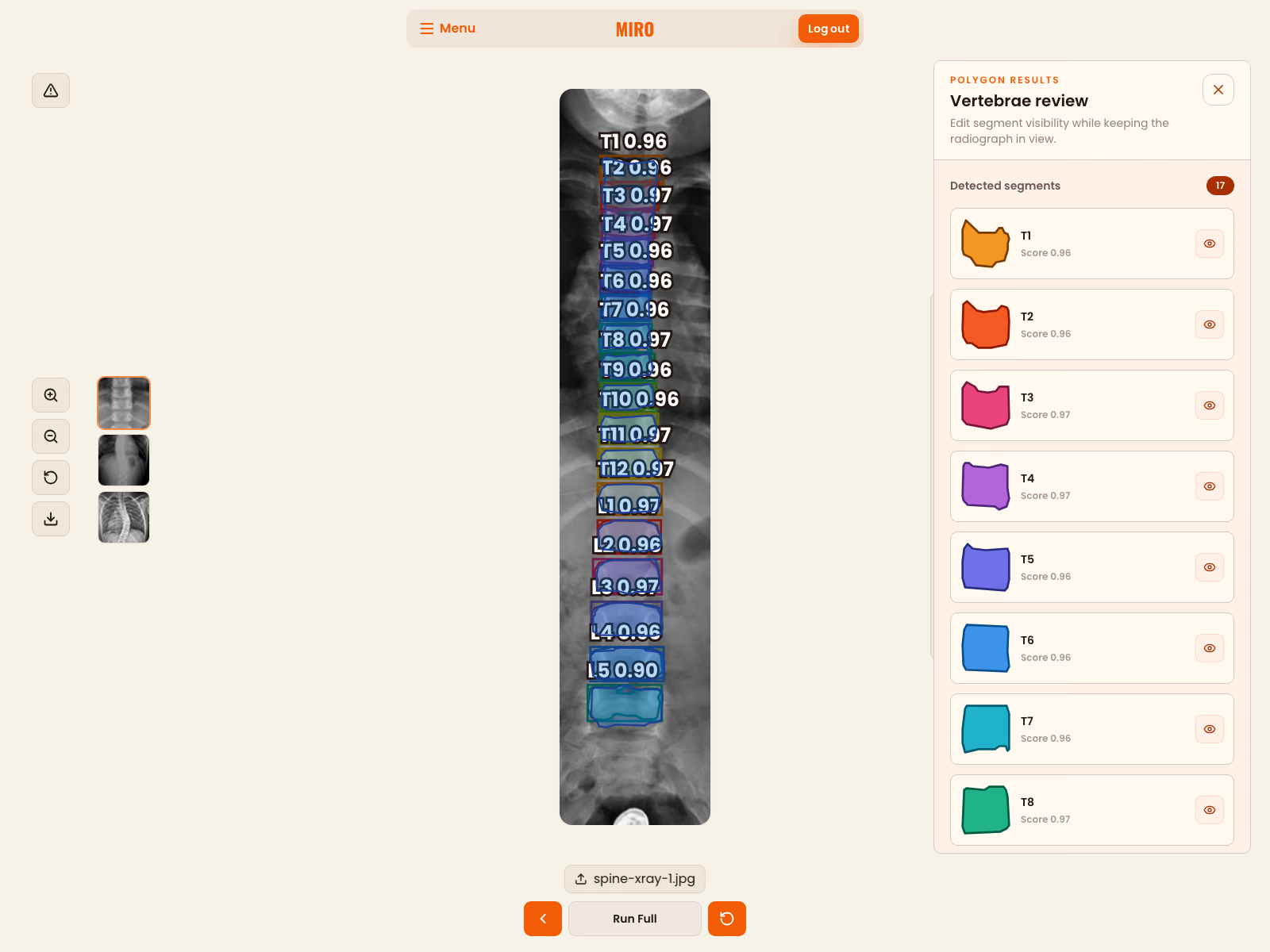
Six polygon and raw modes turn DeepLabV3+ responses into results that can be compared directly.
- Binary and T1–L5 multiclass modes
- Raw-mask and polygon representations
The same output stays directly comparable.
Polygon overlays improve legibility while the raw prediction remains available as a separate technical representation.
Keep raw model output available for inspection.
This view exposes the prediction directly for technical inspection without framing it as a clinical conclusion.
- Direct pixel-level model output
- Explicit non-diagnostic context
Beyond the inference workspace.
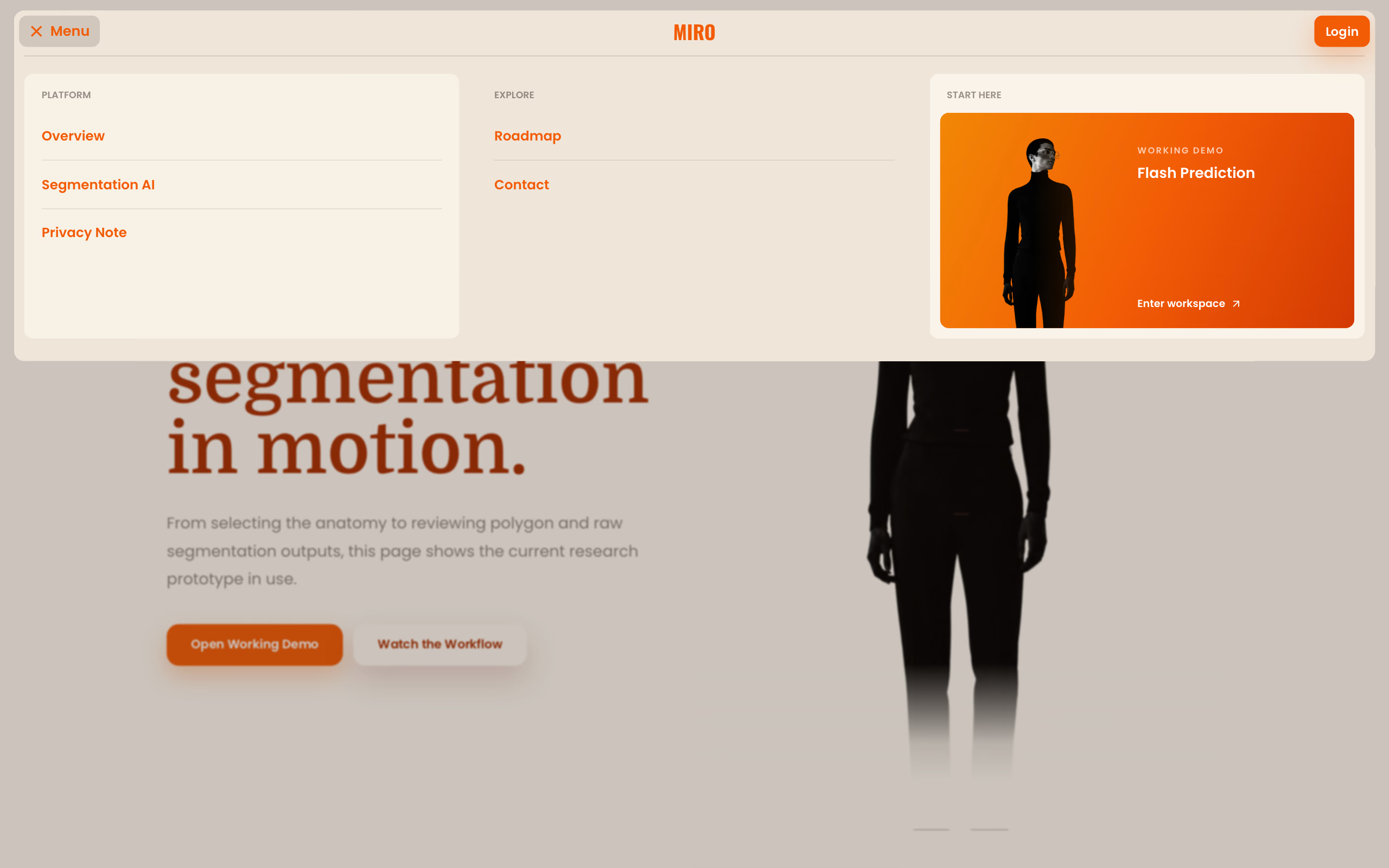
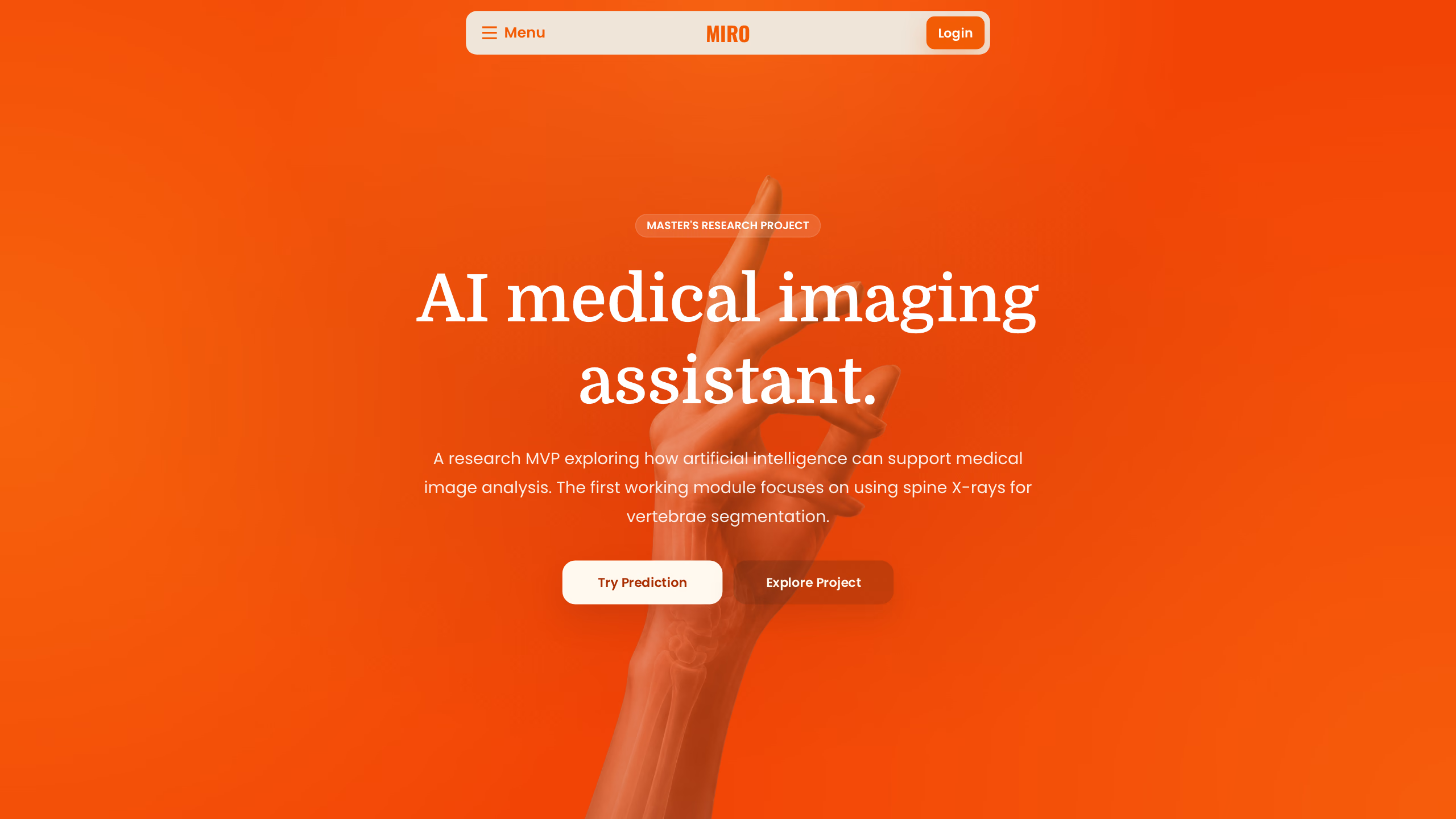
Public pages, navigation states, and additional review views complete the broader research experience.